Mailjet vs Mailchimp

Ditch Mailchimp’s per-contact pricing. Pay for sends that land.

Unlike Mailchimp, Mailjet pricing is built around email volume, not audience size. Because you can grow your audience without paying per contact, pricing stays predictable as your business scales. See what else to consider when comparing Mailjet vs Mailchimp.

Rated 5 stars by thousands of customers

Why teams switch from Mailchimp to Mailjet

Mailjet offers a simpler way to scale email by aligning pricing with sending volume, cross-team collaboration, and deliverability expertise.

Image for Why teams switch from Mailchimp to Mailjet

Pricing driven by sends

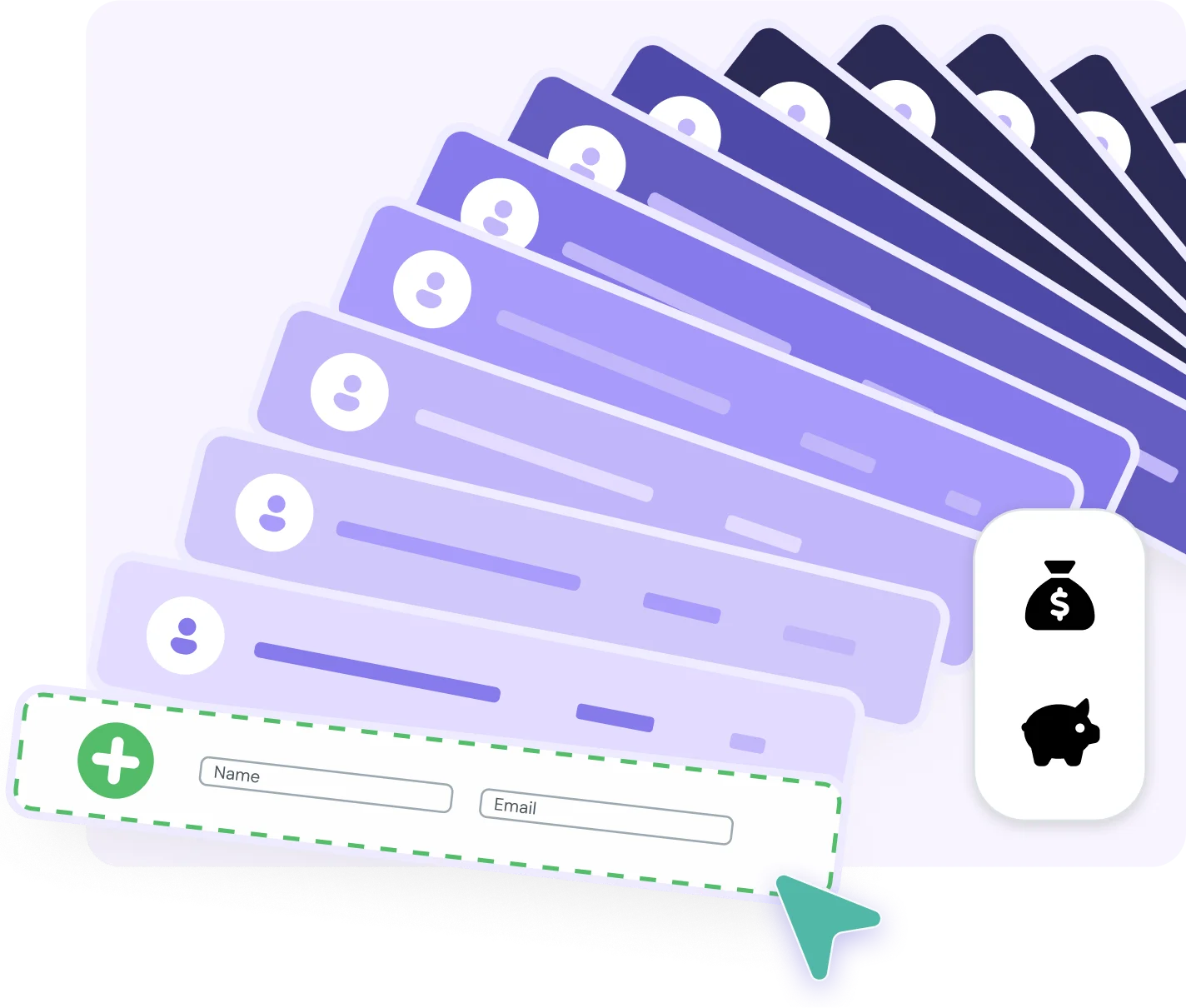
Costs scale with email volume, not audience size. Mailjet pricing is more predictable and you aren’t penalized for growing your audience.

Team-ready platform

Built for devs and loved by marketers. Marketing and transactional emails are handled in one platform that’s built for collaboration.

Backed by deliverability experts

Helping every email arrive. Mailjet is designed for deliverability, with Technical Account Managers available for enterprise customers.
Join 100,000+ customers around the world who trust Mailjet

Mailjet vs Mailchimp feature comparison and pricing

Compare how Mailjet and Mailchimp differ on pricing, usage limits, features and functionality, so you can choose the platform that fits how your team actually sends email.

See All Mailjet Features

Feature
Mailjet
Mailchimp
Pricing model
Email volume
Audience size
Unlimited contacts
From the Essential plan
Capped on all plans
Free tier email limit
6,000 emails/month
500 emails/month
Free tier contact limit
1,000 contacts
250 contacts
Price at 15,000 emails
$17/month
$29/month
Marketing + transactional in one platform
Developer API + SMTP relay
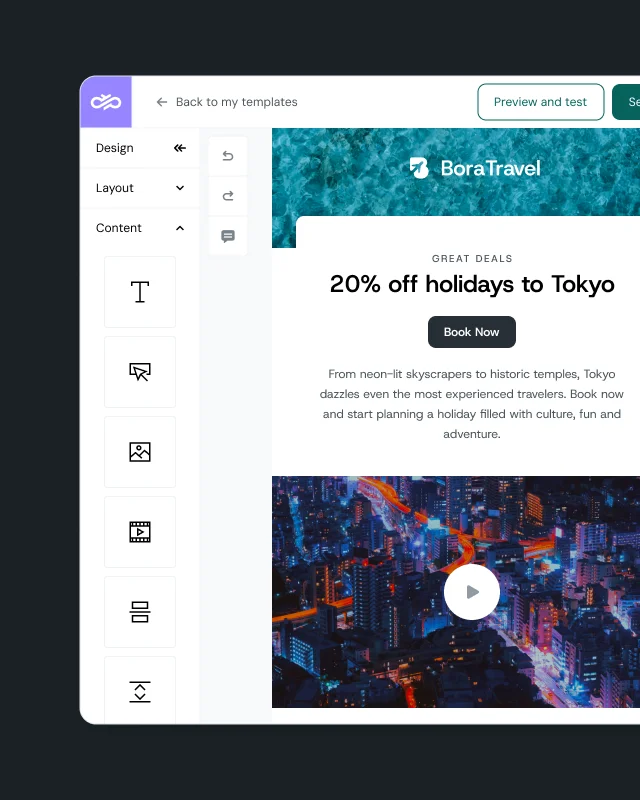
Real-time editing + collaboration
SMS + social marketing
Chosen and loved by thousands of brands across the world
100+ reviews
250+ reviews
2000+ reviews

Email Marketing Software & Email API

All your emails in one platform

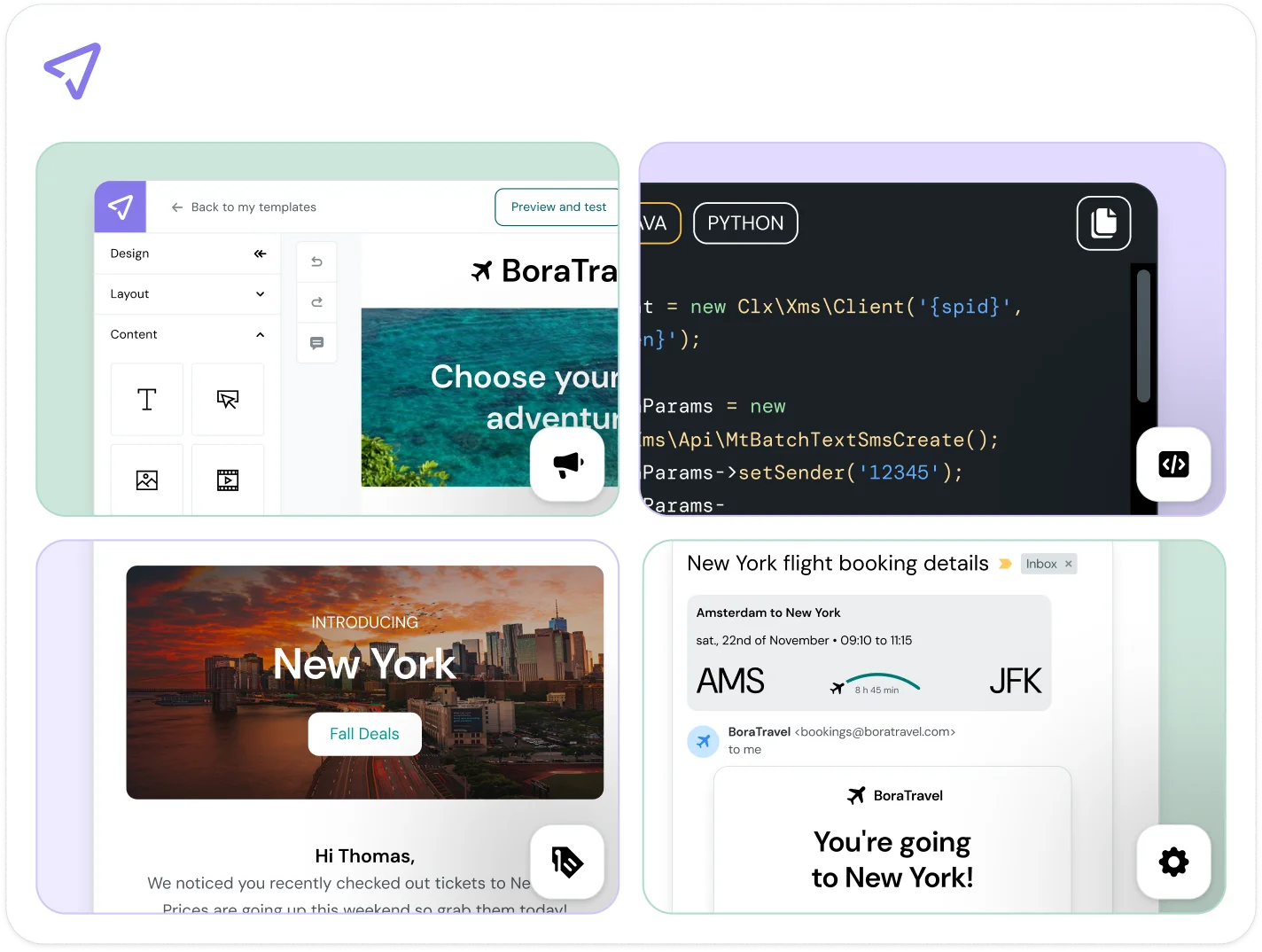
Mailjet brings marketing and transactional email together in one platform, so teams can build, send, and manage email without juggling separate tools.

  • Send campaigns and transactional emails from one place

  • Share templates, analytics, and workflows across teams

  • Track performance and deliverability in a single view

Image for All your emails in one platform

data security & compliance

Secure, reliable email delivery you can trust

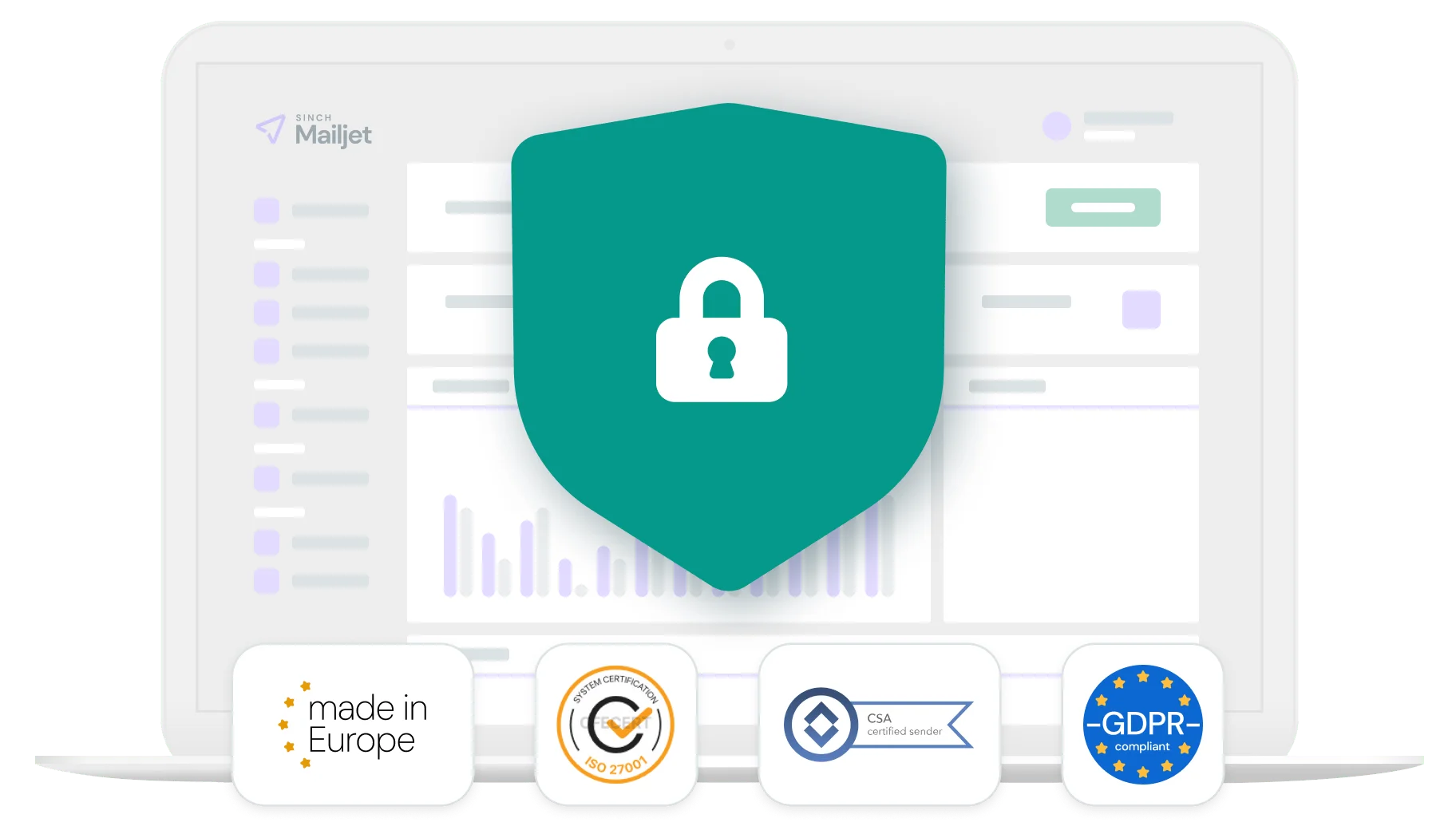
Mailjet meets enterprise security and compliance requirements with audited controls and dependable infrastructure, so teams can switch with confidence.

  • ISO 27001 certified 

  • GDPR compliant

  • SOC 2 audited

  • 99.99% uptime 

Mailjet security and data protection dashboard with GDPR compliance, ISO 27001 certification, and made-in-Europe assurance badges

FOR DEVELOPERS

Integrate email in minutes

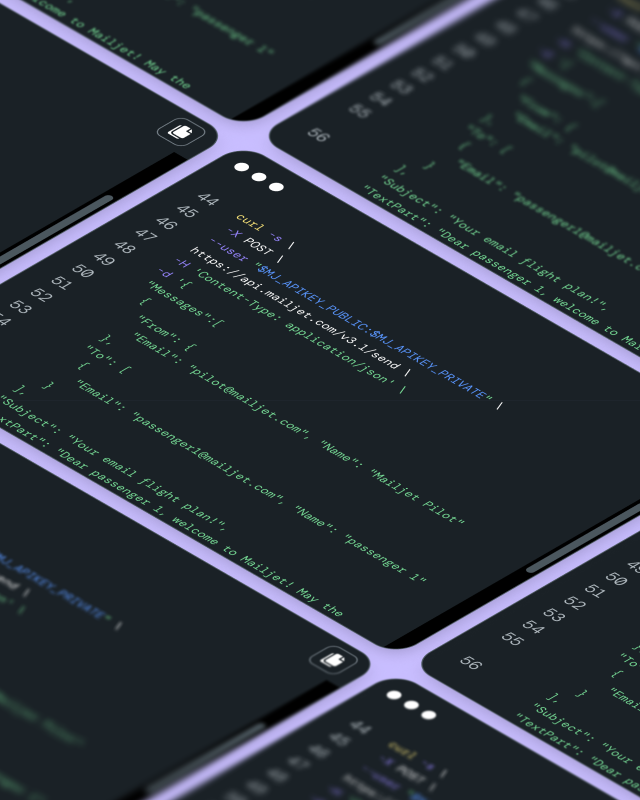
Integrate Mailjet’s Email API in minutes to send transactional and triggered messages with confidence. Use templating, personalization, and robust event tracking backed by strong deliverability. Clear docs and SDKs help you go from first call to production quickly.

  • Official SDKs (7 languages)
  • Clear, practical API docs

  • Sandbox for safe testing

Mailjet API integration illustration showing code window connected to multiple endpoints for email automation

PREDICTABLE PRICING

Pricing aligned to emails sent

Mailjet pricing is built around sending volume and plan capabilities. As you grow, you move through clear tiers that make costs easier to predict than platforms built around audience size and contact tiers.

  • Free tier available, no credit card required

  • No setup fees

  • Cancel anytime

Statistics from Mailjet that allow for continuous improvement.

COMMON QUESTIONS

Comparing Mailjet vs Mailchimp FAQ

The main difference is how you pay and what the platform is built for. On the Essential plan upwards, Mailjet charges by the number of emails you send, while Mailchimp charges by the size of your audience.

Beyond pricing, Mailjet handles both marketing and transactional email in one platform built for developers and marketers to work together. It’s also designed around deliverability, with Technical Account Managers on hand for enterprise customers.

Mailchimp leans more toward all-in-one marketing (email and SMS) for smaller teams.

Mailjet pricing is based on sending volume, making it more predictable and scalable than Mailchimp, which charges based on audience size.

On the free plan, Mailchimp limits you to 250 contacts compared to 1,000 for Mailjet. On paid plans, Mailchimp quickly becomes more expensive as your audience scales. With Mailjet it costs the same to send 50,000 emails per month to an audience of either 5,000 contacts or 10,000 contacts. With Mailchimp, you’d pay an extra $27 per month to send to the larger audience on an equivalent plan.

Both platforms offer more advanced plans which may be a better fit depending on the features and capabilities your team needs.

Yes. Mailjet is built for transactional email, sending messages like password resets, order confirmations, and shipping updates through a dedicated Email API and SMTP relay.

Developers can integrate it quickly and send at scale, while marketing and transactional email live in the same platform, so your team isn’t juggling separate tools. Mailjet optimizes for deliverability, which matters most for transactional messages that customers are actively expecting.

This is a key difference from Mailchimp, which is focused primarily on marketing campaigns rather than developer-driven transactional sending.

Mailjet matches Mailchimp on the features most marketing teams use day to day, including design, segmentation, basic automation, personalization, and A/B testing.

For developers, Mailjet offers an Email API, SMTP relay, and templating. With both marketing and transactional emails in one platform, it’s easier for teams to collaborate on campaigns and customer communications. 

You can export audiences and templates from Mailchimp and import them into Mailjet. Set up sending domains and authentication, then recreate segmentation and automation as needed. For transactional email, developers switch code to Mailjet’s API or SMTP relay with minimal disruption.

Yes. You can import contacts via CSV or API and map fields, including subscription status and custom properties. By bringing over consent fields and applying subscription rules correctly, you can keep your email program running uninterrupted and protect your sender reputation.